OBSERVATIONS
In ReACT, we are using active and passive remote sensing to investigate atmospheric processes of importance to climate research, weather forecasting, aviation, and air quality.
Our experimental and theoretical work is dedicated to studies of aerosols, clouds, water vapour, and their interactions using measurements from our ground-based long-term stations (Athens, PANGEA-Antikythera), dedicated experimental campaigns, and long-lived space-borne sensors.
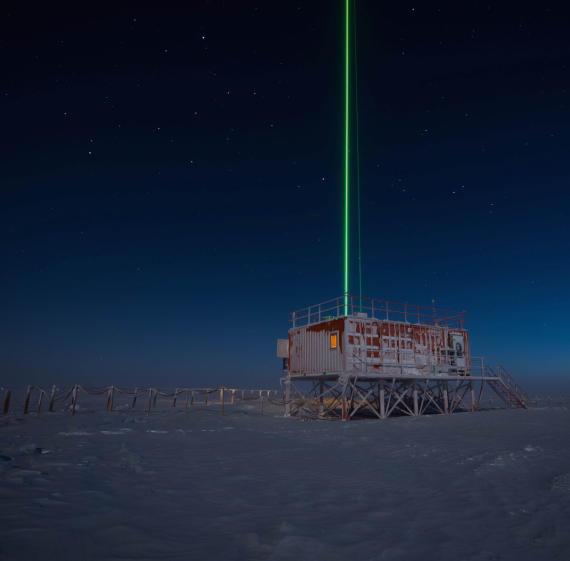
Athens
PANGEA-Antikythera
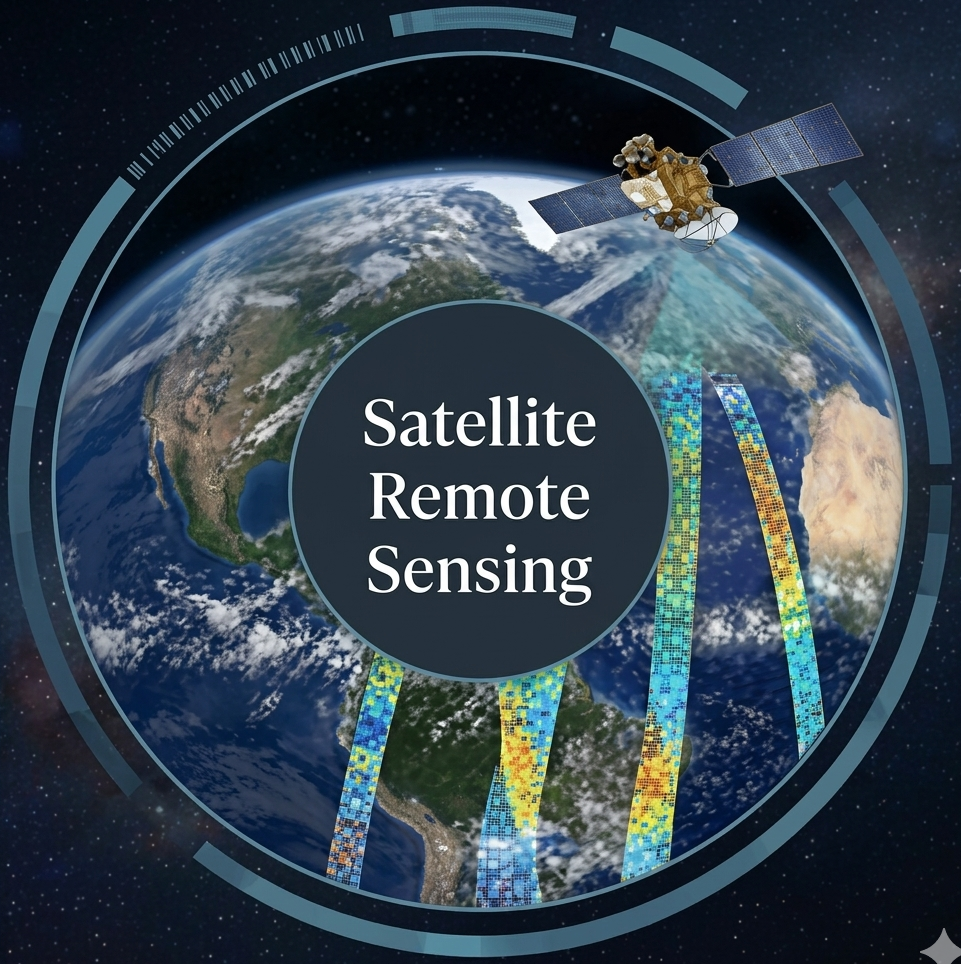
ESA-LIVAS database, offering a global 4D view of aerosols and clouds, is a flagship of ReACT’s satellite program. We have developed high-resolution dust optical depth datasets, explored multi-sensor synergies, and participated in Cal/Val activities for ESA missions (AEOLUS, EarthCARE).
MODELING
Numerical Modeling
In ReACT we work on numerical model research and development, focusing on the representation of atmospheric dynamics and processes at various scales.
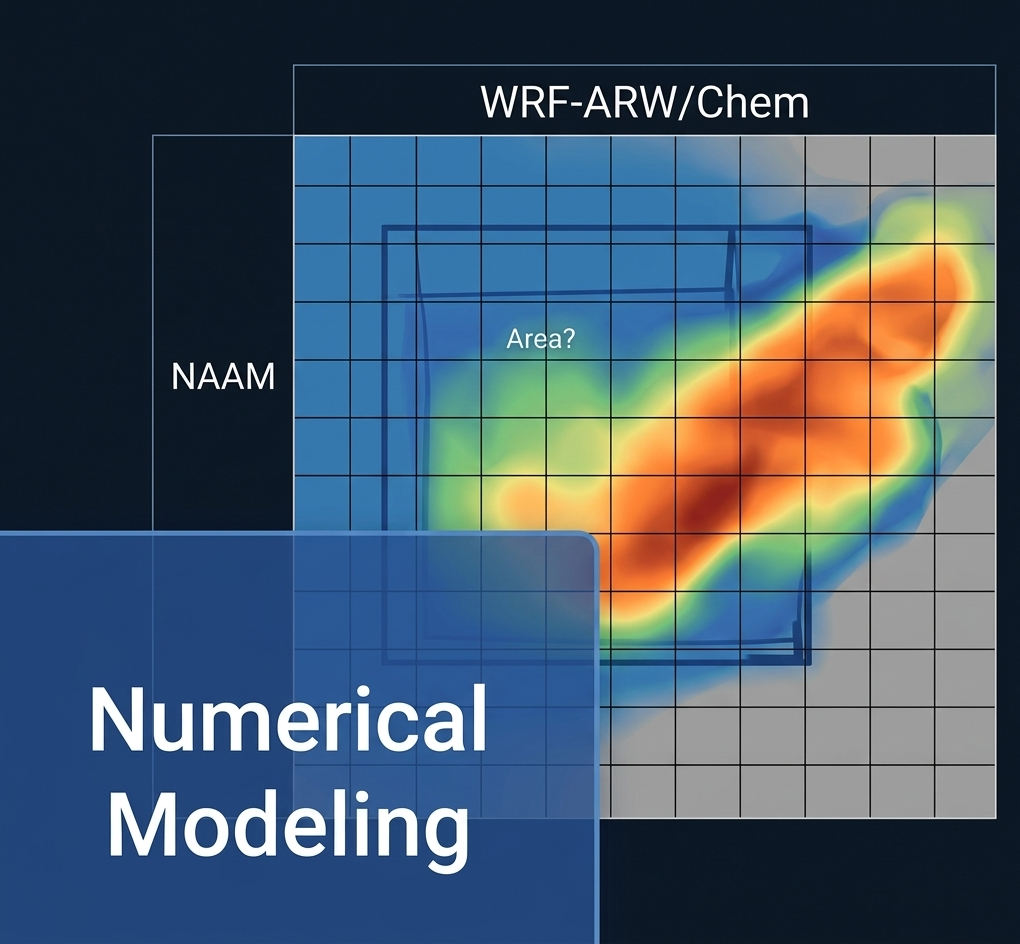
WRF
DREAM
FLEXPART
HYSPLIT
CR-SIM
Data Assimilation
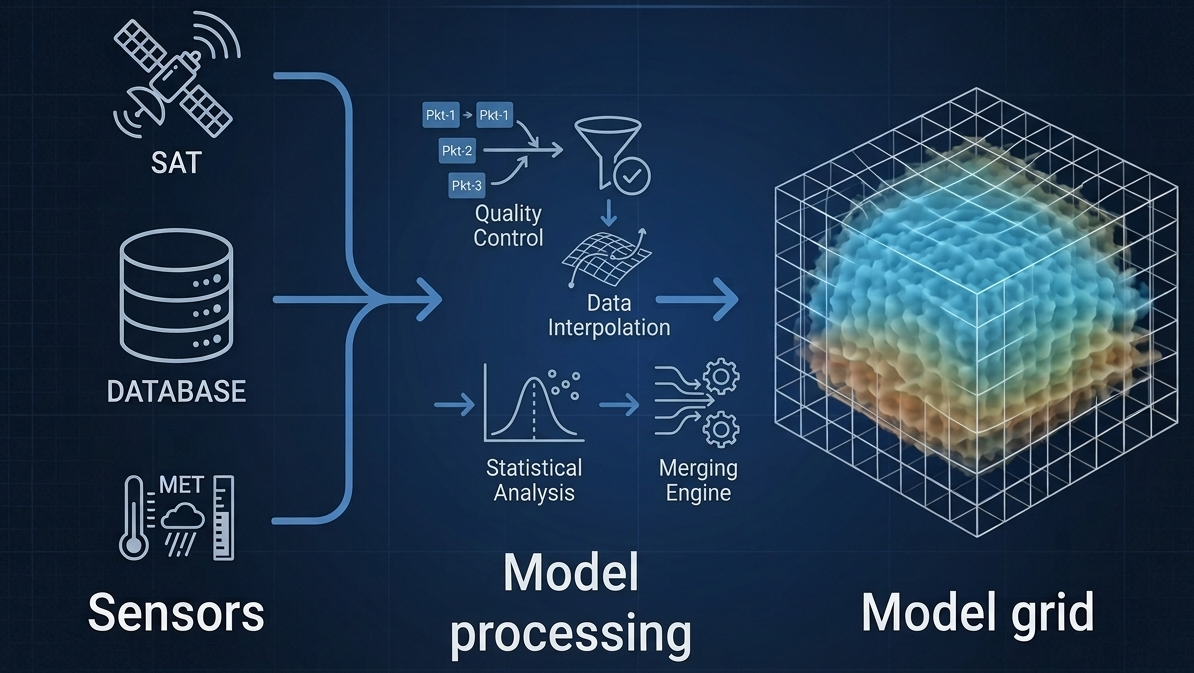
In ReACT, data assimilation focuses on combining observational datasets with numerical models to improve the representation of atmospheric processes. We integrate measurements from ground-based stations and satellites to reduce uncertainties and enhance model performance. These efforts support more accurate simulations and forecasting of atmospheric composition and dynamics.
Radiative Transfer
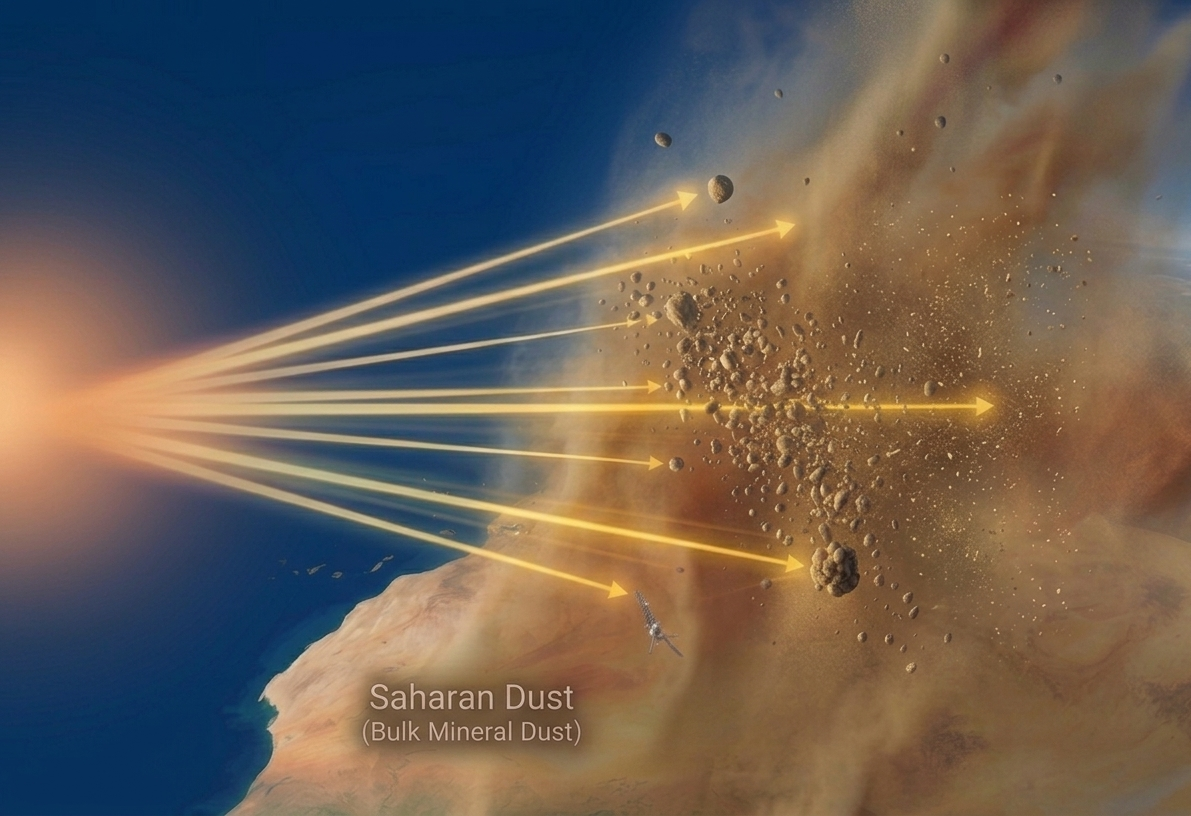
The radiative transfer work of ReACT focuses on determining the radiative effects of mineral dust in the atmosphere by probing more realistic microphysical properties in terms of grain sizes and shapes, appropriate scattering calculations, and thus a more accurate description of the dust optical properties. For the radiative transfer calculations, we utilize advanced radiative transfer schemes, as the MYSTIC solver of libRadtran (Emde and Mayer, 2007; Mayer 2009, Mayer et al., 2010). Our recent work focuses on the quantification of the effect of the large sizes of dust particles on cooling or warming the Earth’s atmosphere.