PANGEA

PANGEA (PANhellenic GEophysical observatory of Antikythera) is an ambitious strategic goal of NOA to establish a sustainable climate observatory at the island of Antikythera (35.861N, 23.310E, 110m a.s.l). The site has been selected by NOA and PANACEA due to its representativeness of the broader region of Eastern Mediterranean. The region is a crossroad of air masses transporting different aerosol types, significantly impacted by mineral dust from Africa, smoke from frequent regional forest fires, anthropogenic pollution from megacities and background sea-salt particles. NOA-ReACT team is currently implementing the PANGEA-ReACT facility at Antikythera, an instrumental suite that fulfills the optimum requirements of the ACTRIS RI.

ReACT

Remote sensing of Aerosols, Clouds and Trace gases (ReACT) is the Atmospheric Remote Sensing (RS) Research Unit operating under the Institute for Astronomy, Astrophysics, Space Applications and Remote Sensing (IAASARS) of the National Observatory of Athens (NOA). ReACT consists of highly motivated scientists within the field of Atmospheric Sciences, combining several Post-doc researchers, Ph.D. and M.Sc. students as well as other research and technical staff, using the resources and infrastructure of IAASARS/NOA.

The Mission

The scientific mission of ReACT is to promote world-class research towards understanding the Mediterranean climate and the regional processes that lead to extreme weather. More specifically, ReACT utilizes the synergy of ground-based and space-borne remote sensing along with theoretical models to understand the complex aerosol-cloud-radiation interactions that we meet in the Mediterranean environment.

Latest News

Read all news

Atmohub & Climatehub: Greece's Hubs for Climate and Air Quality

Atmohub and Climatehub serve as key information hubs for energy, climate change, and atmospheric composition in Greece. Atmohub, supported by the C3S Copernicus Climate Change Service National Collaboration Programme (C3S-NCP), focuses on providing valuable data and analyses related to energy and climate change. On the other hand, Climatehub, within the framework of the CAMS National Collaboration Programme (CAMS-NCP-Greece) of the Copernicus program, specializes in atmospheric composition, offering insights into air pollution and air quality. Both hubs contribute to enhancing the understanding of critical environmental issues and supporting informed decision-making at the national level.

Scientific Disciplines

Advancing Atmospheric Science Across Disciplines for a Resilient Future

Recent projects

Driving Innovation in Atmospheric Sciences with Passion and Expertise.
PANORAMA

Multi-sensor synergies for improved weather-climate-environmental products
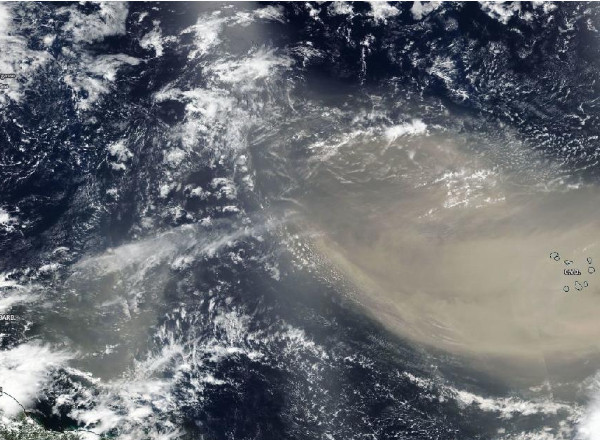
DUST-DN

Doctoral Network on Atmospheric Dust


eVe4ATLID

EarthCARE: eVe Upgrade for EarthCARE Campaigns
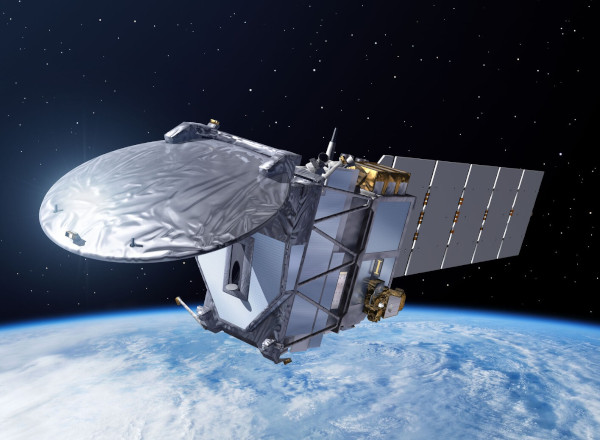
 

ECAMS

EarthCARE ATLID and MSI instruments Synergy for advanced retrieval of aerosol vertical profiles
LandShift

Community-Led Creation of Living Spaces in Shifting Landscapes for Climate-Resilient Land Use
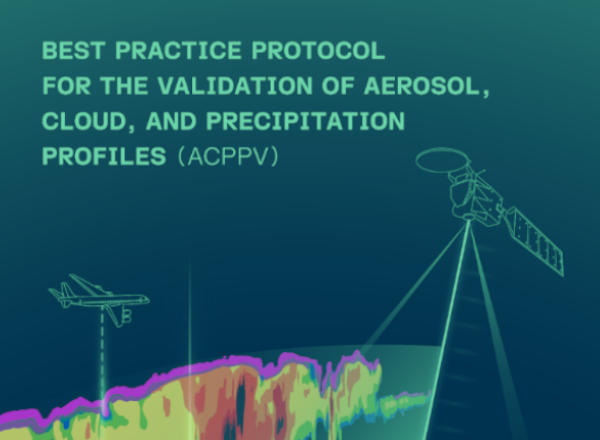
ACPV

Best practice protocol for validation of Aerosol, Cloud, and Precipitation Profiles

L2A+

Enhanced Aeolus L2A for depolarizing targets and impact on aerosol research and NWP
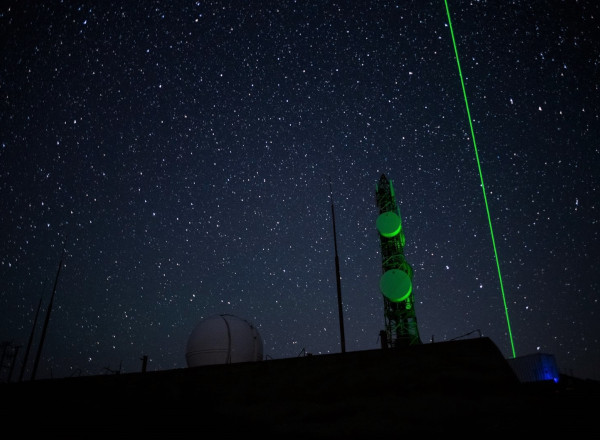
PANGEA4CALVAL

PANGEA Cal/Val Centre for enhancing Earth Observation R&I in the Mediterranean

PM-EYE

Air quality mapping in the Region of Attica using innovative laser technologies to de-escalate the CAMS

Scroll